My Father Was Only 42: The Silent Killer That Took Him
Nothing prepares you for a phone call that changes everything.
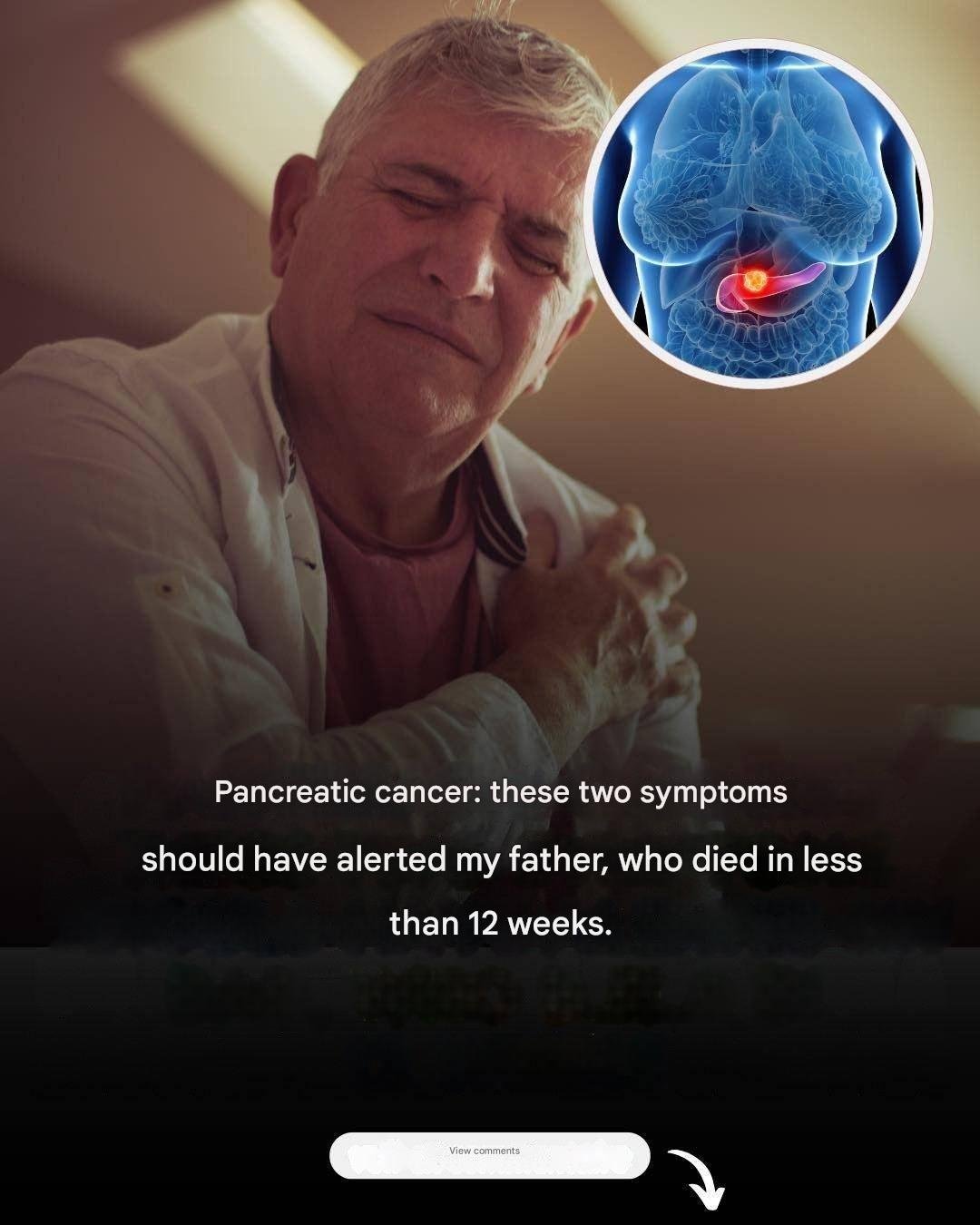
In just 12 weeks, my father, only 42 years old, went from healthy and vibrant to gone.
The diagnosis? Pancreatic cancer.
It’s called the silent killer for a reason. This disease often hides behind vague symptoms, striking swiftly and mercilessly. Most people don’t notice it until it’s too late.
I want to share what I’ve learned — not just for me, but for anyone reading this.
Because awareness can save lives.
Why Pancreatic Cancer Is So Dangerous
Pancreatic cancer is difficult to detect early.
Unlike other cancers, it doesn’t usually cause obvious symptoms at first. It grows silently, often inside the body for months or even years before diagnosis.
By the time signs appear, the cancer is frequently advanced and aggressive. That’s why the survival rate is alarmingly low compared to other cancers.
But early detection changes everything. Even small signs can provide a crucial window for treatment.
Two Early Warning Signs You Should Never Ignore
1. Unexplained Abdominal or Back Pain
The pancreas sits deep in the abdomen, behind the stomach. Cancer there can cause subtle discomfort:
- A dull ache in the upper abdomen
- Pain radiating to the back
- Discomfort that worsens after eating or lying down
Many people dismiss this as normal stress, fatigue, or digestive issues. But persistent pain, even if mild, is a warning sign.
2. Sudden, Unexplained Weight Loss or Loss of Appetite
Weight changes can be alarming. If you notice:
- Rapid, unexplained weight loss
- Feeling full quickly
- Loss of appetite without dietary changes
These could indicate your body is struggling with an internal issue. Pancreatic cancer can affect digestion and metabolism long before other symptoms appear.
Other Subtle Signs to Watch For
While abdominal pain and weight loss are the most telling, there are additional signs worth noting:
- Jaundice: Yellowing of the skin or eyes
- Digestive issues: Nausea, vomiting, or changes in stool
- Fatigue: Persistent exhaustion despite rest
- Blood sugar changes: Sudden onset of diabetes or worsening control in existing diabetes
None of these alone confirm pancreatic cancer, but they warrant immediate medical attention, especially when combined.
Why Early Detection Matters
Early detection gives patients options:
- Surgery can be lifesaving if the cancer is caught before it spreads
- Chemotherapy and radiation are more effective in early stages
- Supportive care can improve quality of life even if the disease progresses
Every week counts. In my father’s case, the disease moved too quickly. But if you or someone you love notices subtle changes, acting fast can make the difference between life and death.
How to Take Action
- Listen to Your Body: Don’t ignore persistent discomfort or unusual changes.
- See a Doctor Early: Even mild symptoms deserve evaluation.
- Request Screening: If you have a family history or risk factors, ask about imaging or blood tests.
- Support Each Other: Awareness spreads faster than cancer. Share information with loved ones.
Risk Factors to Consider
While pancreatic cancer can strike anyone, certain factors increase risk:
- Age (most cases occur after 45)
- Family history of pancreatic or related cancers
- Smoking or heavy alcohol use
- Chronic pancreatitis or diabetes
- Obesity or poor diet
Knowing your risk helps you and your doctor stay vigilant.
The Emotional Impact
Losing my father at 42 was devastating.
The speed of the disease, the silence before the diagnosis, and the feeling of helplessness were overwhelming.
But sharing this story isn’t about grief alone — it’s about prevention, awareness, and action.
If even one person recognizes a symptom early because of this story, it’s worth it.
A Message to Everyone Reading This
Pancreatic cancer is frightening because it moves quietly, often without warning.
But there are signs — subtle, early, and actionable.
- Listen to your body.
- Pay attention to pain and unexplained changes.
- See a doctor promptly.
Your awareness could save a life. It could save your life or the life of someone you love.
Final Thoughts
I’ll never stop missing my father. But I can honor him by spreading knowledge.
Don’t wait. Don’t ignore. Don’t assume it’s “nothing.”
Because the silent killer moves fast — but awareness moves faster.