The Real Meaning Behind Your Cat Rubbing Against You!!
The Meaning Behind a Cat’s Rub
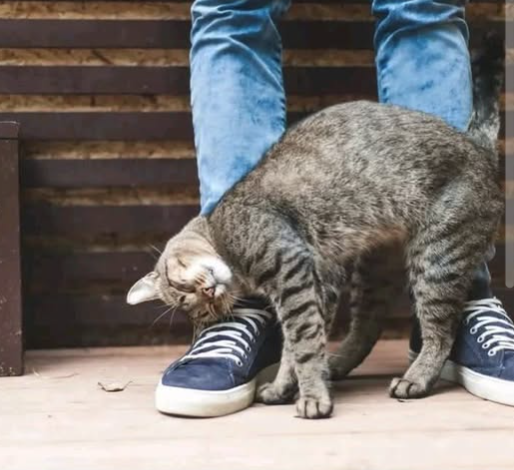
Life with a cat is shaped by small, quiet rituals—and few are as meaningful as the rub. You walk in after a long day, and your cat is there, weaving around your legs, pressing their forehead into your hand, or gliding a cheek along you with a soft purr. At first glance, it might seem like a simple request for attention or food. But this gentle behavior carries a deeper message rooted in instinct, connection, and trust.
A World Guided by Scent
Cats experience the world primarily through scent. While humans depend on sight and sound, cats rely on smell to understand what’s familiar and safe. Their cheeks, forehead, chin, paws, and tail base contain scent glands. When they head-butt or rub their body against you, they’re depositing pheromones—an invisible marker that says, you are part of my world.
This isn’t just about claiming territory; it’s about comfort. Cats divide their environment into what feels known and what feels uncertain. By rubbing against you, they help ensure you carry the scent of home. Because scents fade, they repeat this ritual often, quietly reinforcing the bond you share.
A Trust-Filled Greeting
Among cats, rubbing is a common way to reconnect after time apart. When your cat greets you by circling your legs or rubbing against you, it’s more than acknowledgment—it’s happiness. Even reserved cats save this behavior for those they trust most. In feline language, it’s a powerful sign of affection and acceptance.
Comfort Through Touch
Rubbing can also be calming. Just as people seek reassurance through physical closeness, cats use contact to soothe themselves. The warmth and pressure help them relax, especially during moments of change—after waking up, during noisy activity, or when routines shift. Your presence becomes their steady point.
Part of the Inner Circle
In homes with multiple cats, rubbing helps create a shared group scent, easing tension and building harmony. When your cat rubs against you, they’re extending that same sense of belonging. You’re not just the one who feeds them—you’re family, folded into their social group.
The Subtle Differences
- Head-butting: A sign of deep trust, bringing their most vulnerable area close to you.
- Side rubs: Leaning in to show affection and closeness.
- Tail wrapping: A brief but meaningful gesture of connection.
Not Just a Tactic
Sure, cats learn that rubbing can lead to food or attention. But even then, it’s built on trust. A cat won’t press close to someone they don’t feel safe with.
A Quiet Reassurance
In a loud, busy world, a cat’s gentle rub is grounding. It’s a reminder that connection doesn’t always need words. Each nudge carries a message: you are safe, you belong, you are loved.
So the next time your cat brushes against your leg, pause for a moment. See it not as routine, but as a choice. Your cat is trusting you, claiming you, and showing affection in the purest way they know. And while we may think we own our cats, the truth feels softer and sweeter—they’ve chosen us, and our lives are better for it.