Bay Leaves and Cloves: A Natural Trick for Whiter Teeth
for Whiter Teeth
Did you know that Americans spend over $1.4 billion every year on teeth-whitening products? Whitening strips, gels, and professional treatments promise a brighter smile—but they often come with downsides like tooth sensitivity, gum irritation, and high costs.
The good news? Nature offers a simple, gentle, and affordable alternative.
Bay leaves and cloves—two common kitchen ingredients used for centuries in traditional practices—contain natural compounds that may help reduce surface stains, freshen breath, and support gum health.
Let’s explore how this powerful herbal duo can fit into a natural oral-care routine
Why Bay Leaves and Cloves Support Oral Health
Bay Leaves: The Aromatic Polisher
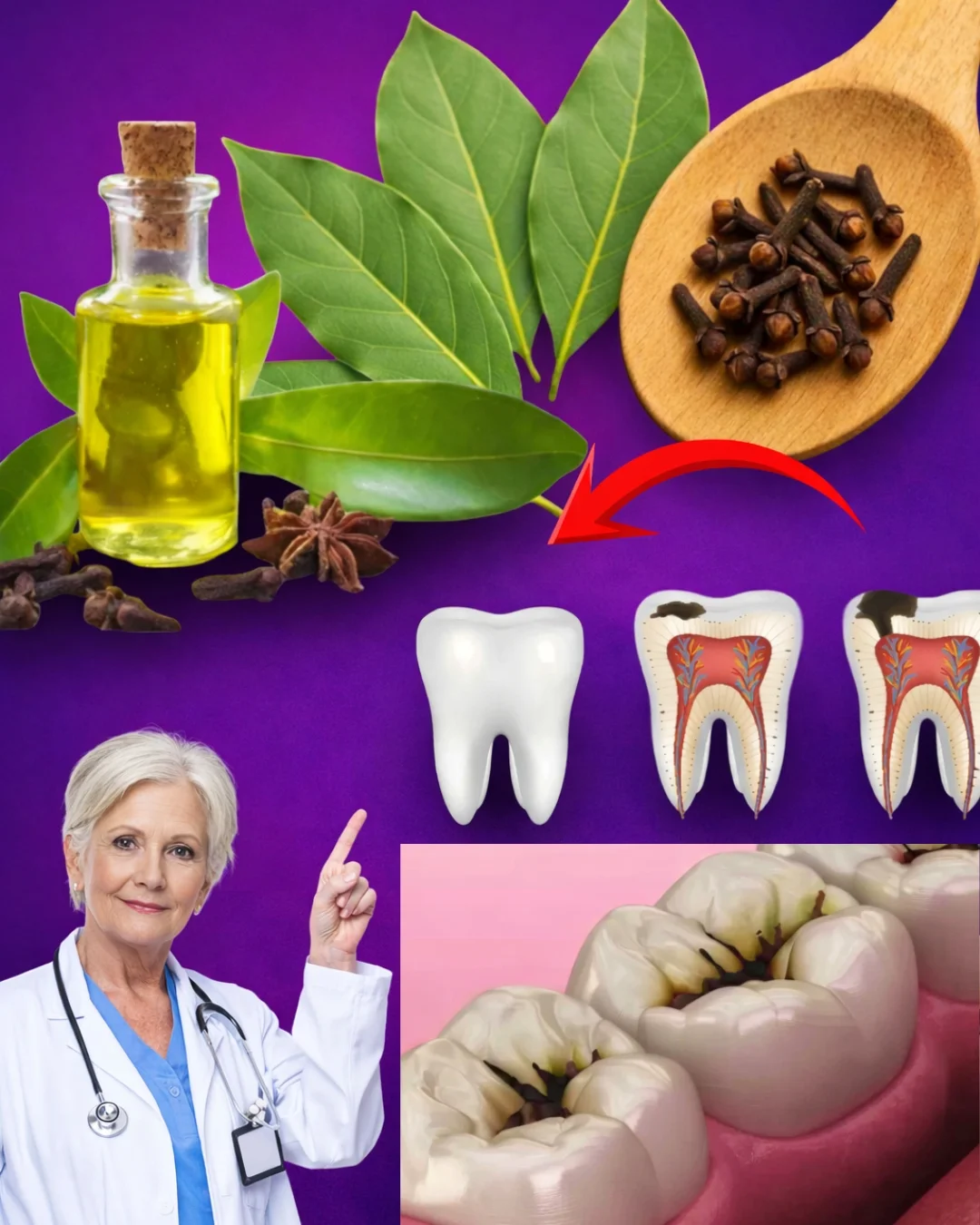
Dried bay leaves are rich in tannins, flavonoids, and essential oils. When finely ground, they form a mild powder that may help to:
- Gently polish tooth enamel
- Reduce superficial stains
- Neutralize odor-causing bacteria
- Leave breath feeling fresher
Unlike harsh abrasives, bay leaf powder works softly, making it suitable for occasional natural whitening.
Cloves: Nature’s Oral Protector
Cloves contain eugenol, a compound well known for its:
Mild numbing and soothing action
Antiseptic properties
Anti-inflammatory effects
Eugenol has been used in dentistry for decades to help relieve discomfort and protect oral tissues. This makes cloves especially helpful for gum support and bacterial balance.
Together, bay leaves and cloves may help to: Polish enamel gentl Reduce bacterial buildup
Freshen breath naturally
Recipe: Natural Bay Leaf & Clove Whitening Powder
Ingredients
- 2 dried bay leaves
- 3–4 whole cloves
How to Prepare
- Lightly toast the bay leaves until dry and crisp.
- Grind them into a fine powder.
- Grind the cloves separately and mix with the bay leaf powder.
- Wet your toothbrush, dip it lightly into the mixture, and brush gently for 1–2 minutes.
- Rinse thoroughly with warm water. Use only 1–2 times per week to protect enamel.
Tip: Add a drop of coconut oil for a smoother application and an extra antibacterial boost.
What Tradition and Science Suggest
Traditional use of bay leaves: In Mediterranean and Middle Eastern cultures, bay leaf powder was historically part of oral-cleaning routines.
Cloves in dentistry: Eugenol has long been used for its antiseptic and soothing effects.
Natural antioxidants: Both ingredients contain compounds that may help protect gums and oral tissues from oxidative stress.
Real-world example: In some rural regions of India, families have traditionally used clove-based powders for generations, reporting fresher breath and cleaner-feeling teeth.
Pros and Cons of Natural Whitening
Pros
- 100% natural, no harsh chemicals
- Affordable and easy to prepare
- Supports gum health
- Complements daily oral hygiene
Cons
- Results are gradual, not instant
- Overuse may irritate gums
- Does not replace dental care
- Less dramatic than professional whitening
Other Gentle Natural Whitening Options
Baking soda: Mild abrasive action
Activated charcoal: Helps remove surface plaque
Coconut oil pulling: Traditional Ayurvedic practice
Strawberries: Contain natural malic acid (use sparingly)
Important Precautions
- Do not use more than 1–2 times per week
- Always rinse thoroughly
- Continue daily brushing with fluoride toothpaste
- Consult a dentist if you have sensitivity, gum disease, or dental restorations
Conclusion
Bay leaves and cloves won’t deliver instant, dramatic results like professional whitening—but they offer a gentle, natural, and accessible option for reducing surface stains, freshening breath, and supporting oral health.
When combined with regular brushing, flossing, and dental checkups, this traditional remedy can be a safe and interesting addition to a natural oral-care routine.